The Allure of Gambling: What Draws People In
The psychology of gambling in casinos is a captivating study of human behavior, motivations, and emotions. One significant aspect of this allure is the thrill associated with risk-taking. Many individuals are inherently attracted to uncertainty, and casinos provide an environment where they can indulge this desire for the best online pokies and exciting games. The chance of winning big in games of chance offers an adrenaline rush that can be exhilarating. This thrill is often magnified by the flashing lights and enticing sounds of slot machines and table games, creating an immersive atmosphere that stimulates excitement and anticipation.
This allure is not merely about monetary gain; it’s also tied to the social environment casinos create. Many individuals find camaraderie and community among fellow gamblers, which enhances the overall experience. Engaging with others over a shared passion for games can foster a sense of belonging, making individuals more willing to return to these venues. The collective energy in a casino can also amplify the excitement of the games, providing a unique combination of competition and companionship that draws people in.
Lastly, cognitive biases play a crucial role in the draw of gambling. Many players succumb to the illusion of control, believing they can influence the outcome of random games. This mindset can lead to a persistent desire to engage in gambling even after experiencing losses. The ‘near-miss’ effect, where players almost win, can bolster the belief that success is just around the corner. Consequently, these psychological factors significantly contribute to the continued appeal of casinos and gambling activities, making it a complex interplay of emotion, social interaction, and cognitive distortion.
The Emotional Rollercoaster: Winning and Losing
The emotional landscape of gambling in casinos is complex and can shift dramatically with each turn of a card or spin of a wheel. Winning evokes feelings of euphoria and exhilaration, as players experience a rush of positive emotions that can be intoxicating. This high can lead to a phenomenon known as the “winner’s curse,” where individuals may feel invincible and continue gambling, often leading to risky behaviors. The psychological impact of winning sparks a need for further excitement, making it challenging for some to walk away from the game and prompting them to push their luck even further.
Conversely, losses can elicit quite the opposite emotional response, leading to feelings of frustration, despair, and anxiety. The psychological toll of losing can be heavy, causing individuals to spiral into a cycle of chasing losses. This cycle is often fueled by the hope that a big win is just around the corner, prompting gamblers to continue playing even when it may not be financially wise. Understanding this emotional rollercoaster demonstrates the profound impact that gambling can have on mental health, driving players to grapple with both euphoria and deep disappointment, often resulting in a turbulent relationship with their gambling habits.

The emotional ramifications of gambling extend beyond the individual, influencing interpersonal relationships. Gamblers who experience significant wins may boast about their success, enhancing their social standing temporarily. However, the fallout from losses can strain relationships with family and friends as the gambler may isolate themselves or struggle with feelings of shame. This duality presents a clear picture of how the psychological effects of gambling can ripple through various aspects of a person’s life, influencing not only their mental state but also their social ties, and often leading to conflicts and misunderstandings.
Cognitive Dissonance: How Gamblers Justify Their Choices
Cognitive dissonance plays a significant role in the psychology of gambling, particularly in how individuals reconcile their decisions. Many gamblers frequently face internal conflict regarding their choices and outcomes. For instance, a player who loses may rationalize their behavior by focusing on past wins or the belief that they were simply “due” for a win. This justification serves to alleviate feelings of guilt or regret, allowing gamblers to continue engaging with games despite unfavorable outcomes. This internal struggle can lead to a distorted perception of their gambling habits, making it difficult for them to recognize when their behavior becomes problematic.
Beyond justifying losses, cognitive dissonance can also manifest in how gamblers perceive their skills. Some players convince themselves that they possess unique strategies or insights that separate them from the average participant. This belief can foster a false sense of confidence, prompting them to take risks they otherwise might avoid. By distorting their perceptions of luck and skill, these gamblers can maintain their interest in gambling, often leading to increased financial and emotional stakes in the long run. This persistent rationalization can trap individuals in a cycle of gambling, preventing them from making more rational decisions regarding their play.
The implications of cognitive dissonance in gambling extend to responsible gaming measures as well. Understanding how gamblers justify their behaviors can inform casino operators and mental health professionals in developing strategies to address problem gambling. By acknowledging the psychological mechanisms that underpin gambling behavior, they can create more effective interventions to promote responsible gaming and mitigate the risks associated with excessive gambling. This may include educational programs that highlight the dangers of cognitive biases and provide tools for better decision-making.
The Role of Environment and Design in Gambling Psychology
The physical environment of a casino significantly influences the psychology of gambling. Designers intentionally create spaces that enhance excitement and engagement, using colors, lights, and sounds to stimulate the senses. For example, the layout of a casino is often labyrinthine, encouraging exploration and prolonging the time spent within its bounds. This strategic design keeps players engaged, making them less aware of the passage of time and their spending habits, which can contribute to impulsive gambling behavior. The absence of natural light and the presence of vibrant, artificial lighting can create a sense of timelessness, further entrenching visitors in their gaming experiences.
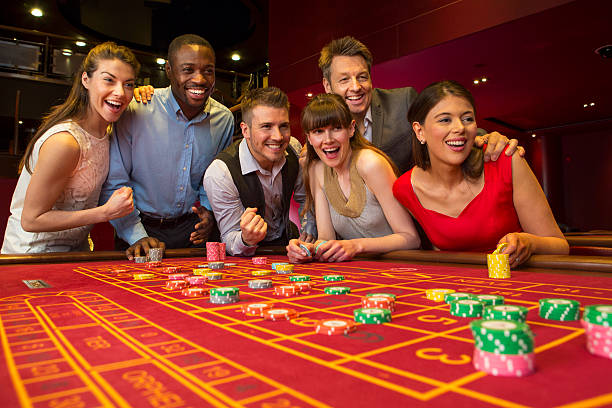
A crucial element of this environment is the use of sound, as research shows that specific audio cues can impact emotional responses to games. The sounds of coins dropping, applause, or the buzz of excitement can evoke feelings of joy and fulfillment. These sensory experiences serve to reinforce the player’s positive emotions, creating a cycle that encourages them to keep playing. Moreover, the absence of clocks and windows within casinos contributes to disorientation, making it easy for players to lose track of time and money. This carefully crafted atmosphere is designed to keep players in a state of heightened excitement, often leading to extended gambling sessions.
Casinos also employ a variety of psychological tactics, such as providing complimentary drinks or food to keep players comfortable and engaged. This hospitality fosters a sense of loyalty and indulgence, causing players to associate their gambling experience with positive emotions. By enhancing the level of comfort, casinos capitalize on the psychological connection between pleasure and gambling, making it increasingly challenging for individuals to leave once they start. Overall, the strategic design and environmental elements in casinos play a crucial role in influencing gambling behavior and enhancing the overall experience, often blurring the lines between entertainment and compulsion.
Understanding Gambling’s Impact Through Research and Resources
A comprehensive understanding of the psychology of gambling in casinos is supported by extensive research and studies. Many institutions and researchers focus on the mental health implications of gambling, particularly as it relates to addiction. This body of research examines the neurobiological factors that contribute to gambling behaviors, analyzing how pleasure and reward pathways in the brain are activated during gaming sessions. By understanding these mechanisms, researchers can develop better treatment options for those struggling with gambling-related issues, providing a clearer picture of how gambling affects mental well-being.
Apart from academic research, numerous resources and organizations are dedicated to gambling awareness and prevention. They aim to provide education on responsible gaming practices and help individuals recognize the signs of gambling addiction. Programs often incorporate workshops, seminars, and online resources, equipping gamblers and their families with knowledge and strategies to manage and, if necessary, address gambling-related problems. Such resources play a critical role in raising awareness and facilitating open conversations about the effects of gambling, emphasizing the importance of recognizing gambling as a potential risk to mental health.
Finally, this research-driven understanding underscores the importance of promoting better gaming environments. Casinos can take proactive measures to implement responsible gaming initiatives, such as providing self-exclusion programs, offering limits on gaming, and increasing access to support information. By fostering a culture of responsibility within the casino environment, operators can help mitigate the risks associated with gambling while still offering an enjoyable and engaging experience for all patrons. The integration of research into practice can lead to a more informed public and a healthier approach to gambling as a form of entertainment.