The Role of Environment in Gambling Experiences
The environment of a casino plays a crucial role in shaping the overall gambling experience. Architectural designs, lighting, and sound all contribute to how players perceive their time spent in these establishments. For instance, many casinos choose to implement low lighting to create an intimate atmosphere, which can heighten excitement and encourage players to lose track of time. This psychological manipulation can lead to longer play periods, as individuals become engrossed in the thrill of the experience, especially when they explore options like australian online pokies payid that offer unique gaming opportunities. The ambiance is carefully curated to evoke feelings of both excitement and comfort, making players feel more at ease while engaging in potentially high-stakes activities.
Furthermore, the layout of a casino is meticulously planned to enhance player engagement. Games are strategically placed to maximize exposure and foot traffic, ensuring that players are consistently drawn to various sections of the casino. From high-stakes areas to more casual gaming zones, designers utilize spatial psychology to cater to diverse gambling preferences. This approach fosters an environment where players feel comfortable, which may lead to increased spending and extended visits. The pathways are designed not only for functionality but also to create a sense of exploration, encouraging players to venture into different areas and discover new games.
Moreover, the use of themes and décor can evoke certain emotions that resonate with gamblers. For instance, a casino designed with a luxury theme may invoke feelings of wealth and prestige, enticing players who seek high-stakes gaming. Through sensory experiences, casinos can effectively manipulate emotions to encourage longer play and deeper investment in the gaming experience. The strategic use of visuals, such as art pieces and themed decorations, adds to this atmosphere, creating a unique identity for each establishment that can significantly influence player behavior and overall satisfaction.
The Importance of Sound and Music in Casinos
Sound design is another critical aspect of casino psychology that can significantly influence player behavior. Casinos often use a combination of background music and ambient sounds to create an inviting atmosphere. For example, the sounds associated with slot machines, such as jingles or the clinking of coins, can stimulate excitement and a sense of reward, further encouraging players to engage. This auditory feedback creates a sense of anticipation, making players more likely to continue playing in hopes of replicating those rewarding sounds. The right sound elements can transform the gaming experience, making it not just a visual but a holistic sensory engagement.
Additionally, the tempo and volume of music can be strategically adjusted to influence gambling behavior. Studies have shown that faster-paced music can encourage quicker decision-making and more aggressive betting, while slower tunes can promote a more relaxed environment, prolonging playtime. This psychological manipulation can lead to increased spending, as players may not even realize the impact that sound design has on their gaming choices. By creating a soundscape that aligns with the desired gaming experience, casinos can effectively guide players’ emotions and actions.

The strategic use of sound is also evident in the absence of certain noises. For example, many casinos minimize external sounds, such as traffic or street noise, to create an immersive experience that isolates players in their gaming environment. By controlling the auditory landscape, casinos can focus players’ attention on the games, thereby increasing the likelihood of participation and expenditure. This careful curation of soundscapes is essential for maximizing the casino’s profitability while enhancing the player experience, ensuring that the atmosphere remains engaging without overwhelming the senses.
The Psychological Effects of Colors and Lighting
Color psychology plays a pivotal role in casino design, influencing emotions and behaviors in subtle but significant ways. For instance, warm colors like red and gold are often used to evoke feelings of excitement and energy, while cooler colors can promote a sense of calm. Many casinos employ vibrant and contrasting color schemes to capture attention, guiding players through the gaming floor and enticing them to explore various games. This careful selection of color can significantly impact decision-making and spending habits, as different hues can trigger different emotional responses that influence gameplay.
Similarly, lighting is a powerful tool in shaping the emotional response of players. Bright lights can create a sense of urgency and thrill, often found over slot machines, whereas softer lighting is prevalent in areas meant for relaxation and socialization, such as bars or lounges. By manipulating brightness and contrast, casinos can create zones that cater to different psychological needs, whether that be for high-energy gaming or social interaction. This distinction allows players to choose their gaming experience, helping casinos to cater to a diverse audience while also maintaining the overall atmosphere.
Moreover, the interplay between colors and lighting can create an illusion of space, making a casino appear larger or more inviting. This manipulation can disorient players, resulting in a lack of awareness of time and money spent. As players become engrossed in the visually stimulating environment, they may be less likely to monitor their gaming behavior, leading to longer sessions and higher spending. Thus, understanding the psychological effects of colors and lighting is essential in creating an engaging casino atmosphere that not only attracts players but also keeps them coming back.
Consumer Behavior and Gamification in Design
Gamification is a trend seeping into various sectors, with casinos being no exception. The integration of game-like elements in the overall design encourages players to engage more actively, thus enhancing their gaming experience. For example, loyalty programs and tiered rewards systems are designed to create a competitive atmosphere that promotes continuous play. By rewarding players for their loyalty, casinos tap into the psychological desire for achievement, which can significantly influence gambling behavior and spending. This approach not only increases player retention but also fosters a sense of community among regular patrons.
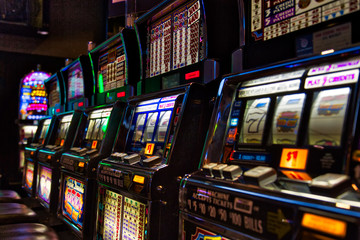
Additionally, the design of games themselves often incorporates psychological elements to maximize engagement. Features such as near-misses, bonuses, and escalating stakes are carefully designed to elicit enthusiasm and continued play. These game mechanics play on cognitive biases and the thrill of potential winnings, creating a compelling cycle that keeps players returning for more. By embedding these elements into both game design and overall casino layout, establishments can enhance player retention and profitability, ensuring that the gaming experience feels both rewarding and exhilarating.
The design of social spaces within casinos also encourages consumer interaction, playing into the human desire for connection and shared experiences. Areas designated for group activities foster camaraderie and competition, which may lead to increased gaming participation. Furthermore, social interactions can enhance the emotional experience of gambling, making it more enjoyable and memorable. Designers who understand the intricacies of consumer behavior can create environments that are not only profitable but also foster genuine enjoyment for the players, enhancing the overall appeal of the casino experience.
Understanding Casino Design Online
With the rise of online gaming, the principles of casino design have begun to transition into the digital realm. Understanding the psychology behind user interface and experience design is essential for online casinos seeking to replicate the engaging atmosphere of physical venues. Elements such as layout, color schemes, and sound effects are tailored to maximize user engagement and retention in an online environment. By studying consumer behavior, online platforms can create interfaces that captivate players, encouraging longer sessions and increased spending. Such thoughtful design can significantly impact how players interact with the games and each other.
Moreover, gamification elements are even more prevalent in online casinos, with interactive features that enhance player experience. For instance, online platforms often implement challenges, rewards, and social features that mimic the lively atmosphere of traditional casinos. This understanding of psychological triggers and engagement strategies has become crucial for attracting and retaining players in an increasingly competitive market. By leveraging these design principles, online casinos can create an immersive environment that replicates the appeal of their physical counterparts, making the gaming experience more engaging and enjoyable.
Ultimately, both physical and online casinos rely on a comprehensive understanding of player psychology to craft enjoyable and profitable experiences. By continuously adapting to changing preferences and technological advancements, these establishments can ensure that they remain appealing to a diverse audience. As the industry evolves, the synergy between psychology and casino design will be pivotal in shaping the future of gaming experiences, paving the way for innovative approaches to attract and retain players. The ongoing research into player behavior will undoubtedly influence the next wave of design strategies in both physical and digital gaming environments.