30 seconds summary
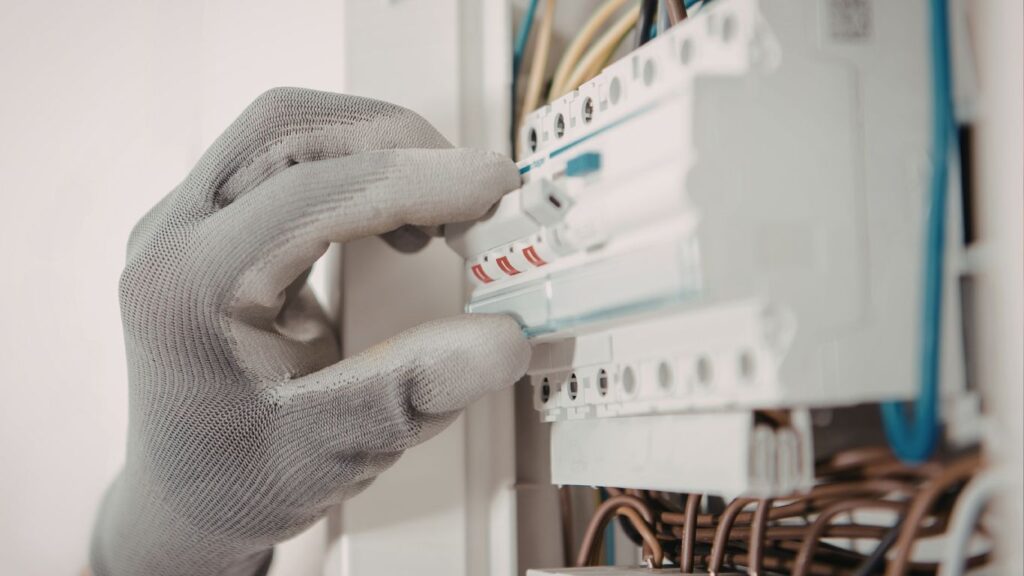
● Powering the Ride: How Circuit Breakers Ensure Safe Scooter Charging” explains how
circuit breakers protect electric scooters during charging.
● They prevent overheating, short circuits, and electrical fires by automatically cutting off
power when current exceeds safe levels.
● This safety mechanism ensures batteries charge efficiently and without damage,
prolongs scooter lifespan, and keeps riders safe, enabling reliable, worry-free charging.
In recent years, electric scooters have emerged as a convenient and environmentally friendly
mode of transportation, especially in urban environments. Their popularity has surged due to
their portability, efficiency, and zero-emission operation. However, as with any electric vehicle,
safely charging these scooters is critical. Behind the scenes, devices like circuit breakers play a
vital role in preventing accidents, ensuring safety, and maintaining the longevity of both the
scooters and the electrical infrastructure they connect to. This article delves into the
mechanisms and importance of circuit breakers in scooter charging, the role of terminal blocks,
and best practices for safe operation.
Understanding the Basics: Electric Scooter Charging
Electric scooters typically use rechargeable lithium-ion batteries. These batteries require a
specific voltage and current range for charging to avoid overheating, overcharging, or damage.
Most scooters charge via a dedicated charger, which converts AC (alternating current) from the
wall outlet into DC (direct current) suitable for the battery. During this process, the electrical
system must manage:
● Voltage regulation: Preventing overvoltage to protect the battery.
● Current regulation: Ensuring the current does not exceed safe limits.
● Temperature monitoring: Avoiding overheating during charging.
While chargers often have built-in safeguards, external electrical protection, such as circuit
breakers, is essential for added safety. Circuit breakers serve as the last line of defense against
electrical faults, including overloads and short circuits, which could otherwise lead to fires,
equipment damage, or injury.
Circuit Breakers: The Gatekeepers of Electrical Safety
A circuit breaker is an automatic electrical switch designed to protect an electrical circuit from
damage caused by excessive current. It operates by detecting faults and interrupting the flow of
electricity when necessary. In the context of scooter charging, circuit breakers serve several
crucial functions:
1. Overload Protection:
Overloading occurs when the electrical current exceeds the safe capacity of a circuit. If
too many devices draw power simultaneously, or if the scooter’s battery demands
excessive current, the circuit breaker trips, preventing overheating of wires and
connectors.
2. Short-Circuit Protection:
A short circuit can occur if a positive and negative wire touch, causing an immediate
surge of current. Circuit breakers react within milliseconds to cut off the flow, avoiding
potential sparks or fires.
3. Surge Protection:
Although circuit breakers are primarily designed for current protection, some are
integrated with surge protection devices. This helps guard sensitive battery electronics
from voltage spikes, which could degrade performance or cause permanent damage.
4. Resettable Safety:
Unlike fuses, which must be replaced after a fault, circuit breakers can simply be reset.
This makes them more convenient for recurring use in daily scooter charging routines.
Types of Circuit Breakers for Scooter Charging
Different environments and charging setups require different types of circuit breakers:
1. Miniature Circuit Breakers (MCBs):
MCBs are compact devices commonly used in residential and commercial charging
stations. They provide protection against both overloads and short circuits and are ideal
for chargers drawing low-to-moderate currents, typically under 100A.
2. Residual Current Circuit Breakers (RCCBs):
RCCBs (or RCDs) protect against electric shock caused by leakage currents. If a fault
causes current to flow through an unintended path (like a person touching a live wire),
the RCCB trips to cut off the supply.
3. Thermal-Magnetic Circuit Breakers:
These combine thermal protection for overloads and magnetic protection for short
circuits. They are particularly effective for higher-power scooter charging stations in
public or commercial settings.
4. DC Circuit Breakers:
While AC circuit breakers are common, some high-voltage scooters and fast-charging
stations use DC circuit breakers. DC arcs are more difficult to extinguish than AC arcs,
making specialized breakers necessary for safe operation.
Terminal Blocks: The Unsung Heroes of Connection Safety
While circuit breakers handle overcurrent protection, terminal blocks provide a secure and
organized way to connect the scooter charger to the electrical supply. Terminal blocks serve
several important roles:
● Safe Wiring: Terminal blocks prevent loose connections, which can generate heat and
spark hazards.
● Ease of Maintenance: They allow technicians to disconnect and reconnect wires without
soldering, simplifying troubleshooting and upgrades.
● Electrical Isolation: Many terminal blocks are designed to prevent accidental contact
with live wires, enhancing user safety.
● Current Distribution: They ensure that electrical current is evenly distributed across
multiple circuits, avoiding localized overloads.
When combined with circuit breakers, terminal blocks form a complete safety chain: the blocks
ensure secure, reliable connections, while the breakers prevent dangerous overcurrent
conditions.
Charging Station Design: Integrating Circuit Breakers and Terminal
Blocks
Designing a safe scooter charging station requires careful consideration of both protection
devices and connection hardware. A typical modern charging station might include:
1. Power Input: Connected via a terminal block to the main AC supply.
2. Main Circuit Breaker: Protects the entire station from overloads or short circuits.
3. Individual Breakers per Outlet: If multiple scooters charge simultaneously, each outlet
may have its own breaker to isolate faults.
4. Surge Protection: Optional, but recommended for outdoor installations.
5. Terminal Blocks for Wiring: Connecting chargers to breakers and ensuring neat, safe
cable management.
This layered approach ensures that faults are localized and do not propagate across the system,
reducing downtime and potential hazards.
The Role of Circuit Breakers in Fast Charging
Fast-charging scooters draw more power than standard chargers. While a regular scooter
charger may consume 0.5–1 kW, fast chargers can exceed 3–5 kW. Higher currents increase the
risk of overheating and overcurrent faults. Circuit breakers in these systems must be rated for
higher currents and, in some cases, include arc-fault protection to prevent fires caused by
electrical arcing during sudden disconnections or faults.
High-capacity terminal blocks also become crucial in these setups. Poorly rated blocks may heat
up under high current, causing insulation damage. Using blocks rated for the maximum
charging current is a critical design requirement.
Common Challenges and Solutions
Even with circuit breakers and terminal blocks, improper usage or installation can compromise
safety. Here are common challenges:
1. Incorrect Breaker Rating:
Using a breaker rated too high for the circuit may cause wires to overheat before the
breaker trips. The solution is always to match the breaker to the conductor size and
expected current.
2. Loose Connections:
Loose terminal screws can cause arcing and heat buildup. Regular maintenance and
torque testing prevent these hazards.
3. Environmental Factors:
Outdoor charging stations may be exposed to rain, dust, or extreme temperatures.
Enclosures, waterproof breakers, and insulated terminal blocks are essential.
4. DIY Modifications:
Improper modifications to chargers or circuits can bypass protective devices. Education
and regulation are key to preventing unsafe setups.
Real-World Impact: Safety and Reliability
Circuit breakers and terminal blocks directly influence the reliability of scooter infrastructure:
● Reduced Fire Risk: By interrupting dangerous currents, breakers prevent electrical fires
in homes and charging stations.
● Extended Battery Life: Stable and controlled charging prevents overheating, preserving scooter battery health.
● User Confidence: Riders feel safer when using stations that comply with electrical safety
standards.
● Regulatory Compliance: Proper use of breakers and terminals ensures compliance with
national and international electrical codes.
For example, a study of urban e-scooter fleets in Europe found that stations equipped with
circuit breakers and properly rated terminal blocks had a 70% lower incidence of electrical
faults compared to unprotected setups.
Emerging Technologies in Scooter Charging Protection
With the growth of electric mobility, new technologies are enhancing circuit protection:
1. Smart Circuit Breakers:
These can communicate with a central system to report faults and allow remote reset,
ideal for city-wide scooter networks.
2. Integrated Battery Management Systems (BMS):
BMS units in scooters monitor current, voltage, and temperature, communicating with
the charging station to adjust charging dynamically. Circuit breakers act as backup
protection.
3. Modular Terminal Systems:
Terminal blocks now come with modular designs for quick installation and scalable
charging stations.
4. Hybrid Protection Systems:
Combining breakers, fuses, surge protectors, and arc fault detectors provides multiple
layers of protection.
Best Practices for Safe Scooter Charging
For maximum safety, both users and operators should adhere to these guidelines:
● Use the Correct Charger: Only use chargers specified by the scooter manufacturer.
● Check Breaker Ratings: Ensure circuit breakers match the charger's current capacity and
the wiring's capacity.
● Inspect Terminal Blocks: Look for signs of wear, overheating, or loose connections.
● Avoid Overloading: Limit simultaneous charging sessions to the station's design capacity.
● Maintain Environmental Protection: Enclosures, waterproofing, and dust protection
increase longevity and safety.
● Regular Maintenance: Routine inspection of breakers and terminal blocks prevents
unnoticed faults.
Conclusion
As electric scooters continue to reshape urban mobility, safety in charging infrastructure is
paramount. Circuit breakers serve as vigilant guardians, protecting both the scooter and its user
from electrical hazards. Terminal blocks complement this protection by ensuring secure and
reliable connections. Together, these components form the backbone of safe and efficient
scooter charging stations, allowing riders to enjoy the convenience of electric mobility without
compromise.
From residential chargers to high-capacity public stations, the principles of overcurrent
protection, secure wiring, and system reliability remain the same. By understanding and
implementing these systems thoughtfully, manufacturers, operators, and users can minimize
risks, extend equipment lifespan, and contribute to the safe evolution of urban transportation.
In the fast-moving world of e-mobility, circuit breakers and terminal blocks might not be visible,
but they are the unsung heroes ensuring that every ride begins and ends safely