30 seconds summary
- Circuit breakers are essential for the safety of electric scooters, protecting the electrical system from overcurrents, short circuits, and overheating.
- They prevent damage to key components like the battery, motor, and wiring, reducing the risk of fires and other hazards. Integrated with other circuit protection accessories like fuses, surge protectors, and thermal sensors, circuit breakers ensure reliable performance and safety.
- As electric scooter technology advances, these protection systems will continue to evolve, offering even greater safety and longevity for riders and their scooters.
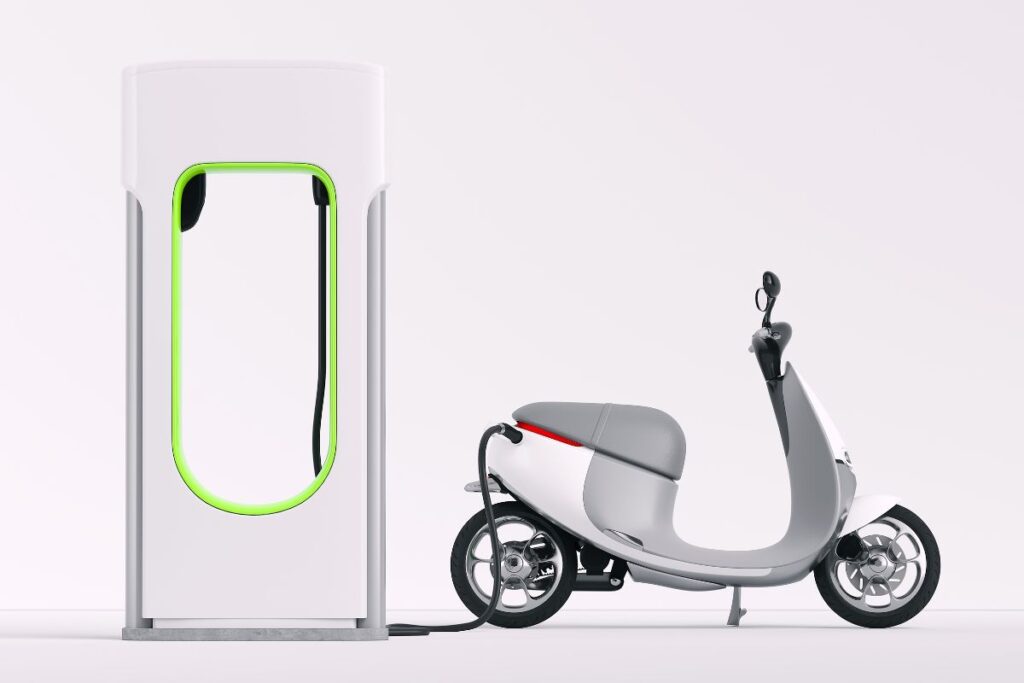
Electric scooters have emerged as one of the most popular forms of transportation in urban areas, providing an eco-friendly and efficient mode of commuting. With their rise in popularity, safety concerns have also become more significant, particularly regarding the reliability of their electrical systems. One of the most critical components in ensuring the safety and longevity of an electric scooter is the circuit breaker. This small but essential device plays a pivotal role in protecting both the rider and the scooter from electrical failures, accidents, and potential hazards. In this article, we will explore the role of circuit breakers in electric scooter safety systems, how they work, and their relationship with other circuit protection accessories.
1. Understanding Electric Scooters and Their Electrical Systems
An electric scooter operates on a complex electrical system that includes a motor, battery, controller, wiring, and various other components. The electric motor is powered by a rechargeable battery, and the controller regulates the flow of electrical energy to the motor, allowing the rider to control the scooter’s speed and performance. Electrical systems of electric scooters are designed to be energy-efficient and reliable, but like any other electronic device, they are susceptible to faults, overloads, and malfunctions that could pose serious risks.
Given the high energy consumption and the delicate nature of modern electric scooter components, safety is a top priority for manufacturers and users alike. A significant threat in this context is overcurrent, which occurs when the electrical current flowing through a circuit exceeds the capacity of the components involved. This can lead to overheating, fires, short circuits, and permanent damage to the scooter’s electronic components. Circuit breakers serve as the first line of defense against these risks.
2. What Are Circuit Breakers?
A circuit breaker is an automatic electrical switch designed to prevent damage to an electrical circuit by interrupting the flow of current in the event of an overload or short circuit. The primary function of a circuit breaker is to safeguard electrical devices, prevent fires, and protect human life from electrical hazards. Unlike fuses, which must be replaced after they blow, circuit breakers can be reset once the fault has been corrected, making them more cost-effective and convenient for consumers.
Circuit breakers are commonly used in household and industrial applications, but in electric scooters, they are particularly vital. When an electric scooter experiences an electrical fault, such as an overcurrent or a short circuit, the circuit breaker is designed to disconnect the electrical supply, preventing further damage and potential safety hazards.
3. Why Circuit Breakers Are Critical for Electric Scooter Safety
3.1 Prevention of Overcurrents
The primary function of a circuit breaker in an electric scooter is to protect the electrical system from overcurrents. Overcurrent can occur when the scooter’s motor draws more current than the wiring or battery can handle. This may happen due to a variety of reasons, such as a malfunctioning controller, a faulty connection, or excessive power demand when the scooter is operating at high speeds or going up a steep incline.
Without a circuit breaker, the overcurrent could cause overheating in the motor, wiring, or scooter battery, leading to the risk of fire or permanent damage to the electrical components. The circuit breaker is designed to detect this overload and instantly disconnect the power to the affected area, preventing further damage.
3.2 Protecting the Battery
Electric scooter batteries are typically lithium-ion or lithium-polymer, which, while efficient, are also highly sensitive to improper charging, excessive discharge, and electrical faults. Overloading the battery or drawing too much current from it can lead to dangerous situations, such as thermal runaway, where the battery heats up uncontrollably and may even explode.
Circuit breakers, when integrated into the charging system or along the battery’s wiring, protect the battery from overcurrent events. If the charging system begins to send more current than the battery can safely handle, the circuit breaker will interrupt the current, preventing potential damage to the battery and ensuring the rider’s safety.
3.3 Preventing Fires and Electrical Hazards
Overheated electrical components are one of the leading causes of fires in electric scooters. Short circuits, in which the electrical current takes an unintended path, can rapidly generate heat and cause sparks, posing an extreme fire risk. In the event of a short circuit, a circuit breaker is essential in disconnecting the circuit before the heat buildup becomes dangerous.
By instantly disconnecting power during electrical faults, circuit breakers significantly reduce the risk of fires or other electrical accidents. This feature is particularly important in the context of the compact and tightly packed electrical systems found in electric scooters.
4. How Circuit Breakers Function in Electric Scooters
Circuit breakers in electric scooters work based on a principle called overcurrent protection. The overcurrent protection mechanism involves sensing the amount of current flowing through the scooter’s electrical system and reacting when it exceeds a preset limit. There are different types of circuit breakers used in electric scooters, depending on the specific requirements and design of the scooter’s electrical system.
4.1 Thermal Circuit Breakers
Thermal circuit breakers operate using a bimetallic strip that bends when heated by the flow of excess current. When an overcurrent event occurs, the bimetallic strip heats up and bends, which causes the breaker to trip and disconnect the circuit. These types of breakers are common in electric scooters because they are cost-effective and reliable. They are particularly useful in protecting the battery and motor from overheating due to excessive current.
4.2 Magnetic Circuit Breakers
Magnetic circuit breakers operate based on an electromagnet that pulls a switch open when the current exceeds a certain threshold. These breakers react very quickly to short circuits, providing an immediate response to severe electrical faults. They are often used in conjunction with thermal breakers to provide both short-term and long-term protection.
4.3 Combination of Thermal and Magnetic Protection
Many scooter brands use a combination of thermal and magnetic circuit breakers for comprehensive protection. The thermal protection prevents prolonged overcurrents, while the magnetic protection is designed to react quickly to short circuits. This combination provides a more robust safety system that ensures the scooter’s electrical components are protected in a variety of fault scenarios.
5. Integration of Circuit Breakers with Other Circuit Protection Accessories
Circuit breakers are a key component of the overall circuit protection accessories in electric scooters, but they work in tandem with other safety features to maximize the scooter’s reliability and safety. These accessories may include fuses, surge protectors, voltage regulators, and thermal sensors, all of which play an important role in ensuring the safe operation of the electric scooter.
5.1 Fuses
While circuit breakers are designed to be reset after a fault is cleared, fuses provide one-time protection. A fuse is a simple electrical component that contains a wire designed to melt when an overcurrent occurs. Once the fuse blows, it must be replaced. While circuit breakers offer more flexibility, fuses are still used in some parts of the scooter’s electrical system for additional protection, particularly in lower-voltage circuits.
5.2 Surge Protectors
Electric scooters, especially those with sensitive electronics, can benefit from surge protectors. Surge protectors prevent voltage spikes, which can occur due to fluctuations in the power supply or lightning strikes. These spikes can cause damage to the scooter’s motor or controller. Surge protectors help in maintaining a steady and safe voltage level, ensuring the longevity and reliability of the electric scooter.
5.3 Voltage Regulators
Voltage regulators ensure that the electrical system of the scooter receives the correct voltage, protecting sensitive components like the controller and motor. If the voltage becomes too high or too low, a voltage regulator adjusts the voltage to a safe level. Voltage regulators are particularly important for maintaining consistent performance and preventing damage caused by electrical instability.
5.4 Thermal Sensors
Thermal sensors are designed to monitor the temperature of critical components such as the motor, controller, and battery. If the temperature exceeds safe limits, the sensor triggers an alarm or a circuit breaker to interrupt the flow of current, preventing thermal damage. Thermal protection is especially important for preventing fires caused by overheating, one of the most common electrical hazards in electric scooters.
6. The Future of Circuit Protection in Electric Scooters
As electric scooter technology continues to advance, so too will the sophistication of circuit protection systems. Future innovations may include smarter circuit breakers that can detect and react to more complex fault conditions, such as battery degradation or erratic motor behavior. Integration with connected apps could allow users to monitor the health of the scooter’s electrical system in real-time and receive alerts about potential issues.
Moreover, advancements in materials and manufacturing techniques may lead to smaller, more efficient circuit breakers that take up less space while providing enhanced protection. As electric scooters become more powerful and feature-rich, the role of circuit protection accessories will only become more vital.
Conclusion
The role of circuit breakers in electric scooter safety systems is indispensable. They serve as the first line of defense against electrical faults, preventing overcurrent, protecting batteries, and minimizing the risk of fire or other hazards. When integrated with other circuit protection accessories, such as fuses, surge protectors, and thermal sensors, they ensure the safe and reliable operation of the scooter. As technology continues to evolve, circuit protection systems will become even more advanced, offering greater protection for riders and extending the lifespan of electric scooters.
By understanding the crucial role of circuit breakers and other protection accessories, electric scooter manufacturers and users can better appreciate the importance of safety systems in ensuring the continued success and adoption of electric scooters as a safe, eco-friendly, and efficient mode of transportation.
